Showing posts with label Moving. Show all posts

Tuesday, November 2, 2021

Refrigerators, toys and other debris from ZIM Kingston containers wash up ashore near Cape Scott

No more containers have been found. That is the news from the Canadian Coast Guard about the maritime disaster surrounding the ZIM Kingston that lost an estimated 109 containers in rough seas off the coast of British Columbia in Canada and is still anchored while fire fighting efforts continue.

The ZIM Kingston faced rough weather West of the Strait of Juan de Fuca caused by a low pressure system that is said to have impacted the region from Thursday the 21st Oct. The hurricane force caused the sea to rise to about 9 meters, resulting in an estimated 109 containers falling in to the sea.

4 of the 109 containers washed up ashore near Cape Scott some 400 kms away from where the ship is currently anchored. As per the Canadian Coast Guard, the containers have spilled refrigerators, toys, yoga mats and clothing onto remote beaches near Cape Scott Provincial Park on the northernmost tip of the island.

Photos from Jerika McArter an educator from Eke Me-Xi Learning Centre, Port Hardy, B.C., shows the impact that maritime disasters such as this have on the environment. Students from the Centre were on a weekly field trip to Palmerston Beach, learning about the protection of the natural environment got a first hand view of what they could be dealing with in the future.

Click to view slideshow.

CTV News from Vancouver is quoting McArter as saying “There is stuff everywhere: fridges, rain boots, shoes, toys, Chinese checkers boards, baby oil, food packs, hair wax, Styrofoam, backpacks and more. This is only one of the containers and the pictures don’t show how bad/sad it is.”

zim kingston debris washed up ashore
Photos : Jerika Mcarter

In the meantime, the Canadian Coast Guard has confirmed that the debris is from at least one of the containers that were lost and that anyone who discovers cargo on the beach should report it immediately to the coast guard. As per the Canadian Coast Guard spokesperson Michelle Imbeau, “yoga mats, clothing, children’s toys and games will be among the debris likely to drift ashore in the coming days”

The vessel’s owner, Danaos Shipping Co., has in the meantime confirmed that it is working with a salvage contractor to develop a plan to locate and retrieve the lost containers and also working with an environmental company on the operation.

The Canadian Coast Guard is reportedly satisfied with the salvage work conducted so far. “Under the Wrecked, Abandoned or Hazardous Vessels Act (WAHVA) the owner of the M/V Zim Kingston is responsible for mitigating any hazards regarding the ship or its cargo,” a statement from the coast guard said. “To date, Unified Command is satisfied with the actions taken by the owner both at the ship itself, and in efforts to recover the containers and debris,” said the statement added.

The unified command is reported to include representatives from the coast guard, the B.C. Environment Ministry, the vessel’s owners, the Beecher Bay First Nation and the WSANEC Leadership Council.

Coast guard helicopters, along with aircraft from Transport Canada’s National Aerial Surveillance Program were searching for more of the missing containers an operation which has been hampered by the remote and rugged location as as per the Canadian Coast Guard.

The salvage team on board the Zim Kingston has been using thermal cameras to monitor for flare-ups with efforts focused on Bay 14 of the ship which is where containers that were loaded with tyres continues to be an issue. The team is also monitoring the air quality along B.C.’s coast. Once recovery and firefighting efforts are complete, it is expected that the Transportation Safety Board will launch a further investigation into the incident.


Subscribe to this site to receive free updates on the situation.


The post Refrigerators, toys and other debris from ZIM Kingston containers wash up ashore near Cape Scott appeared first on Shipping and Freight Resource.

Via Moving http://www.rssmix.com/

Going Abroad – Tips for Moving Internationally

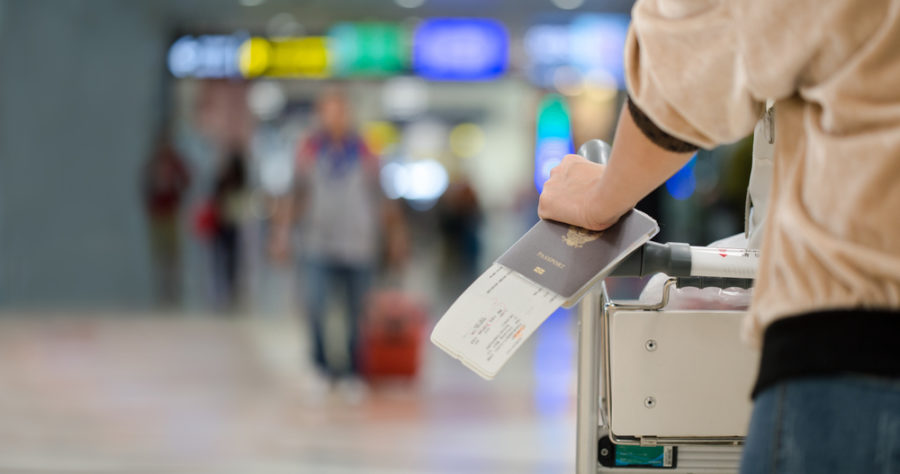
Whether you have an overseas job offer or you’re daring to venture out on your own, moving abroad is a big step. It’s also an exciting one! All of the new food, immersion in a new culture, and exploring new neighborhoods… There are a ton of possibilities on the horizon.

Making sure you have a smooth arrival means preparing yourself ahead of time. There are a few things to keep in mind when relocating abroad. We’ve put together some tips for moving internationally to help make sure you’re prepared.

%name Going Abroad Tips for Moving Internationally

Check Customs Fees

When moving internationally, you’ll probably pack a giant suitcase to take with you on the plane. This ensures you have all of the clothes and immediate things you’ll need. But excess baggage charges can be pricey and hauling suitcases can be a pain.

If you plan to send some things via post, there are some aspects you should brace yourself for. Checking international shipping rates is a good starting point. Depending on where you’re heading, you may want to decide whether it’s worth it to pay for shipping.

One of the luxuries we have in the States is that shipping and receiving from across the country can be relatively inexpensive. Once you start moving parcels internationally, you may incur customs charges. Check on the customs fees for what you’d like to send and understand what will be involved in shipping and receiving from your old home to your new one.

Downsize

The old saying “less is more” can be adapted here. Less is less in this case – less expensive and less cumbersome, that is. Time spent downsizing is invaluable.

Go through your things and get rid of what you don’t need. Are you moving to a warmer country? You probably don’t need your whole winter wardrobe. Heading somewhere with a different electrical system? It’s best to buy your important appliances there to ensure the wattage is safe. Have a collection of VHS tapes and National Geographic Magazines you forgot about in the crawlspace? It’s likely you don’t need those where you’re headed.

%name Going Abroad Tips for Moving Internationally

Pare down to the essentials. That doesn’t mean getting rid of everything that isn’t purely functional. Be discerning, though, as you go through your things and decide whether you actually need or will use them.

Make piles for selling, donating, and gifting away. You could even negotiate some indefinite loans for certain items if your friends want or need them. If or when you return, you could collect them back – like your television or sofa, for example.

Consider Storage

If there are things you won’t immediately need but can’t bear to part with forever, consider a storage unit. Storage is also a great option if you’re testing the waters overseas. Packing everything and hauling it over will become a bit of a headache if you choose to return in six months.

A climate-controlled storage unit will give you peace of mind. No matter how many seasons pass, your items will come out the same way they went in, protected from the heat and cold.

Get Your Paperwork in Order

There are some practical and legal items that you may not have considered if you were born and raised in your current country. Here are a few pieces of paperwork you should make sure you have in order:

  • At least six months validity on your passport
  • An apostilled copy of your birth certificate
  • An apostilled copy of your marriage certificate (if applicable)
  • An international driver license, or at minimum six months validity on your standard-issue driver license

Having your paperwork in order ahead of time will save you headaches on the other side.

Update Your Details

Make sure you cancel paper statements from local accounts and update your contact details wherever applicable. Do this well in advance so you can be sure you caught them all – it’s all too easy for an important one to fall through the cracks.

%name Going Abroad Tips for Moving Internationally

If you have a friend or family member who can receive necessary paperwork that must come, chat with them and confirm that it’s okay to direct necessary mail there. It would even benefit you to forward your mail there so you can see what is still outstanding to be canceled or resolved.

Consider Your Budget

Luckily, it’s not so hard these days to get a general idea of the cost of living in other places. Whether it’s Google searches or Facebook groups, you have a lot of resources available. Check rental or home purchase prices so you understand your monthly bills. An important factor is utilities – how does the price of electricity, particularly, stack up against where you are now? The exchange rate can also mean a ding to your savings, so get as much information as you can in advance. Make sure you take some time estimating your cost of living in your new hometown and get a clear idea of your moving budget before you get started.

Public Transport or Car Shopping?

While you’re researching, start looking at transportation options. This will depend largely on where you choose to live. Moving to the center of Berlin is a lot different from the Spanish countryside, for example.

Determine where you’d like to live and what this means for moving around. Will you be able to rely on public transport? Or do you need a car to get around? Will you be fine for walking to the necessities, but want to venture further out?

%name Going Abroad Tips for Moving Internationally

If you don’t need a car very often, there’s a chance a car share or rental service will suffice. If not, head back to the budget step and factor in the purchase of a car.

Hire the Experts

When it comes to sending all of your things, using shipping and mailing services just isn’t practical. It can be costly, unreliable, and you’ll end up with a whole lot of tracking numbers to follow. Oh, and then there’s that customs angle to worry about.

Hiring professional movers is the best way to save yourself some headaches, time, and money. A moving company with experience in moving internationally will be able to give you advice, support you in the shift, and if you pick a full-service mover, they’ll even pack all of your things for the safest transport.

When you’re ready to take the big leap to live overseas, FlatRate can help. Our expert movers will help prepare your items and get them to your new home – and country – safely, so you can spend more time practicing a new language.

The post Going Abroad – Tips for Moving Internationally appeared first on Flatrate Moving.

Via Moving http://www.rssmix.com/

Should I Move to Hawaii: What Makes the Island Different?

Every year thousands of people move to Hawaii to buy a home and start living their dream. Even though the transition is complicated, moving to Hawaii offers a lot of benefits. It comes with great things, such as beautiful weather all year round, accessibility, beautiful white sand beaches, plenty of outdoor activities, and Hawaii’s unique …

Article Source Here: Should I Move to Hawaii: What Makes the Island Different?

from Wailea Movers and Storage – Feed https://www.waileamovers.com/should-i-move-to-hawaii-what-makes-the-island-different/

Via Moving http://www.rssmix.com/

DCSA releases Track & Trace Interface Standard version 2.2

Press Release on Shipping and Freight ResourceDCSA releases Track & Trace Interface Standard version 2.2 with new subscription capability, enhanced security, and support for document events

DCSA has released version 2.2 of its Track & Track Interface Standard for customer-facing events. The release includes the DCSA Subscription Callback API, which allows customers (shippers/consignees) to subscribe to receive automatic updates of shipment events from carriers. In addition, security has been enhanced with subscription-ID and notification-signature headers.

The release also supports a better customer experience with more efficient data inquiry and handling, including support for the following document events: Cargo Survey, Customs Inspection, Verified Gross Mass, Dangerous Goods Declaration, and Out of Gauge Declaration.

The API definitions and reference implementation have also been updated. As always, API definitions can be downloaded from SwaggerHub and the new reference implementation is available on GitHub.

All accompanying documents: DCSA Industry Blueprint 3.0, Information Model 3.3, Information Model 3.3- Reading Guide, Event Structure Definitions 2.2, Event naming convention 2.2, Track & Trace Interface Standard 2.2, Track & Trace Interface Standard 2.2 – Reading Guide, DCSA API Design Principles 1.1, DCSA Subscription Callback API 1.0, and web glossary of terms, can be downloaded here.

Digital Container Shipping Association (DCSA) is a neutral, non-profit group founded by major ocean carriers to digitise and standardise the container shipping industry. With the mission of leading the industry towards systematic collaboration, DCSA drives initiatives to make container transportation services transparent, reliable, easy to use, secure and environmentally friendly.

DCSA’s open source standards are developed based on input from DCSA member carriers, industry stakeholders and technology experts from other industries. DCSA member carriers include:  MSC, Maersk, CMA CGM, Hapag-Lloyd, ONE, Evergreen, Yang Ming, HMM and ZIM. Please download DCSA standards at dcsa.org.

The post DCSA releases Track & Trace Interface Standard version 2.2 appeared first on Shipping and Freight Resource.

Via Moving http://www.rssmix.com/

Thursday, October 28, 2021

ZIM Kingston fire update

Calm seas allowed firefighters to finally board the ZIM Kingston a 4253 TEU capacity container ship which has been on fire off the coast of Victoria in British Columbia, Canada. As per the Canadian Coast Guard, six firefighters and seven crew members boarded the ship on Monday night as fires in containers still on board the ship continued to smoulder.

In a video released by CHEK News, Paul Barrett, planning section chief with the Canadian Coast Guard’s incident command post, is seen saying that firefighters have identified five containers said to contain tyres that are still burning.

“The firefighting crews are deploying individual tactics to address these fires including the utilization of water mist … to suppress the fire inside the ISO containers. Boundary cooling by vessels will continue in support of the firefighting crew onboard Zim Kingston.” said Barrett adding that a total of 20 personnel including surveyors and firefighting teams are on board the ship.

The one nautical mile emergency zone around the anchored container vessel still remains in place and several multiple response vessels are stationed nearby to assist as required.

“It’s currently estimated that two to three days are required to make the vessel ready for further salvage actions,” Barrett said.

In the meantime, it has now been established that 109 containers have fallen into the sea in rough weather, more than double of the 40 containers that were estimated to have been initially lost.

Mariah McCooey, deputy federal incident commander, advised that this updated figure follows overflights and information provided by the ship’s crew. “Right now, our best count is 109. This is still an ongoing challenge, of course, and it could change,” she said.

These containers have been identified at sea over a period of few days with 28 containers identified in the sea on Saturday and another 14 identified on Sunday. Some of these containers are drifting along the west coast of northern Vancouver Island and the Canadian Coast Guard have confirmed in a tweet that they have located 4 of these containers on shore near Cape Scott, 400 kms away.

Zim Kingston on fire off canada coast - shipping and freight resource Zim Kingston on fire off canada coast - shipping and freight resource Zim Kingston on fire off canada coast - shipping and freight resource Zim Kingston on fire off canada coast - shipping and freight resource Zim Kingston on fire off canada coast - shipping and freight resource Zim Kingston on fire off canada coast - shipping and freight resource

Salvage experts are expected to secure the containers while environmental experts will monitor this work ready to respond to any potential marine pollution. As per the Canadian Coast Guard, “Once the ship is secured, Transport Canada inspectors will inspect the ship and then direct it to a port (not determined yet) for unloading and any further inspections. There may be changes to this process depending on the results of each step.“.


Subscribe to this site to receive free updates on the situation.


The post ZIM Kingston fire update appeared first on Shipping and Freight Resource.

Via Moving http://www.rssmix.com/

Tuesday, October 26, 2021

How Much Time Does it Take to Move?

The moving process can often feel neverending. By the time you find a new place to live you just wish you could click your heels together, say “there’s no place like home”, and be there already.

We get it.

%name How Much Time Does it Take to Move?

The best way to keep your patience – and sanity – intact is to have a good idea of what to expect. How much time does it take to move? There are a few factors to take into account. We’ll help you explore some of the considerations so you can estimate the time it will take you to move. Then you can take some stress off your shoulders.

General Time Frame

There are a few factors that affect how much time it takes to move, but we’ll get to those specifics in a moment. A good starting point is a general idea of timing based on the size of your home. Professional moving companies give the following estimates, so let’s start here:

  • Studio or One Bedroom Apartment: 2-3 hours
  • Two Bedrooms: 3-5 hours
  • Three or Four Bedrooms: Up to 7 hours
  • Five+Bedrooms: 8-10 hours

These are a very general starting point that allows a professional mover to estimate the number of people required for the job and to provide a quote. These timeframes of course don’t include any extra work you’ll be putting in, such as packing boxes or cleaning your place.

%name How Much Time Does it Take to Move?

If you hire a full-service mover to do your packing for you, they’ll take that into account.

Factors to Consider

Not limited to just the size of your space, there are some other factors to consider that may affect how much time it takes to move. This includes:

  • Furniture and large items
  • How much disassembly is required
  • Number of boxes
  • Loose and unpacked items
  • Quantity of fragile items or those requiring special handling
  • Accessibility for the moving truck
  • Flights of stairs
  • Size or accessibility of your elevator
  • Hallways or awkward corners to navigate
  • Weather conditions
  • Distance between addresses
  • Traffic and road conditions

These things will all affect how much time it takes to move, so consider which ones apply to you. Make sure you discuss each with your moving company to ensure your estimate is accurate and they’re well prepared on moving day. This will help everything go more smoothly.

Preparing Your New Space

Moving is more than just the physical move, of course. You’ll want to move into your new place and settle in. For many of us, that means doing some cleaning beforehand.

%name How Much Time Does it Take to Move?

Depending on where you’re moving, your rental company or previous owners may (should!) have done some basic cleaning of the place before you arrived. There are likely some finishing touches you’ll like to do yourself. Give yourself time to give your new place a scrub and factor that into how much time it takes to move. If you also need to hang curtains to have some privacy, can you consider yourself moved in before you tick that off the list?

Closing Out Your Old One

You’ll want to do the same for the new tenants in your old place. This may include time for repairs like patching dings in the wall, scuffs on the floor, and caulking the bathtub. Consider how much time you’ll need to get these repairs done before you consider yourself fully moved out.

You’ll also need to do some cleaning so the person who comes after you can enter into a clean home as well. If you choose to do the cleaning yourself, you’ll need to count a few hours – at least – out of your own time to take care of the work. While it costs a bit more, hiring a cleaner to come will allow you to multitask.

When you’re ready to get moving, FlatRate is here to help. Our professional, reliable movers can help you with an estimate on how much time it takes to move, and then get you moving.

The post How Much Time Does it Take to Move? appeared first on Flatrate Moving.

Via Moving http://www.rssmix.com/

Ocean carriers set to pay surcharges at Long Beach and Los Angeles for containers in terminal

Ocean carriers who are usually the ones charging “surcharges”, may soon be paying a “surcharge” at the San Pedro Bay ports of Long Beach and Los Angeles for import containers that dwell in the marine terminals of these ports for longer periods.

As per a communique from the Port of Long Beach, this surcharge which comes into effect from the 1st of November, is in “an effort to improve cargo movement amid congestion and record volumes”.

As per the new policy, ocean carriers will pay the port for containers falling under below categories :

  • For containers that are scheduled to move by truck, ocean carriers will be charged USD100/- per container per day increasing in increments of USD100/- per container per day, if the containers have been sitting in the terminals for nine days or more.
  • For containers that are scheduled to move by rail, ocean carriers will be charged USD100/- per container per day increasing in increments of USD100/- per container per day, if the containers have been sitting in the terminals for three days or more.

“We must expedite the movement of cargo through the ports to work down the number of ships at anchor,” said Port of Los Angeles Executive Director Gene Seroka. “Approximately 40% of the containers on our terminals today fall into the two categories. If we can clear this idling cargo, we’ll have much more space on our terminals to accept empties, handle exports, and improve fluidity for the wide range of cargo owners who utilize our ports.”

“With the escalating backlog of ships off the coast, we must take immediate action to prompt the rapid removal of containers from our marine terminals,” said Port of Long Beach Executive Director Mario Cordero. “The terminals are running out of space, and this will make room for the containers sitting on those ships at anchor.”

“I support the actions taken by the ports of Los Angeles and Long Beach today to charge ocean carriers for lingering containers on marine terminals. These actions aim to expedite the movement of goods and reduce congestion in our ports,” said John D. Porcari, Port Envoy to the Biden-Harris Supply Chain Disruptions Task Force. “As our economy continues to grow, increased demand and disruptions caused by the pandemic are putting our supply chains to the test. While we’ve seen new records set in terms of throughput this year at West Coast ports, we need more players throughout the supply chain to keep stepping up. The federal government will continue to bring together private companies and stakeholders from across the supply chain and serve as an honest broker helping to surface solutions like this to address supply chain disruptions.”

Port of Long Beach

As per the communique, before the pandemic-induced import surge began in mid-2020, on average, containers for local delivery sat on container terminals under four days, while containers destined for trains dwelled less than two days. Those numbers have increased significantly, making it difficult to clear cargo off the terminals and bring in ships at anchor.

The notification from the port advised that the fees collected from dwelling cargo will be re-invested by the two ports for programs designed to enhance efficiency, accelerate cargo velocity, and address congestion impacts throughout the San Pedro Bay.

The policy was developed in coordination with the Biden-Harris Supply Chain Disruptions Task Force, U.S. Department of Transportation and multiple supply chain stakeholders.

Although President Biden stepped up pressure on ports and supply chains to address port congestion woes and the ports responded by extending working hours, there doesn’t seem to be much activity at the gates in Long Beach or Los Angeles as below images show.

Port of Long Beach - gate entrance - ocean carrier surcharge

Port of Los Angeles - APM Terminal Gate - gate entrance - ocean carrier surcharge

Eventually whether ocean carriers will agree to these surcharges or naturally pass it onto customers remains to be seen.

Stay subscribed here for more information.

The post Ocean carriers set to pay surcharges at Long Beach and Los Angeles for containers in terminal appeared first on Shipping and Freight Resource.

Via Moving http://www.rssmix.com/

Monday, October 25, 2021

ZIM Kingston container loss and container fire onboard – UPDATE

Further to the incident of ZIM Kingston losing containers overboard and container fire on board, today’s update is that the fire is reported to have been controlled but the vessel is still smoldering as of Sunday afternoon as per JJ Brickett, a federal incident commander and spokesperson with the Canadian Coast Guard.

“What we are seeing on the deck here is basically the shell of those containers, and presumably, everything that was aboard or inside those containers has been consumed in the fire” said Brickett.

Speaking at a virtual press conference on Sunday, Brickett said plans are in place and crew are ready to handle any eventualities should an incoming storm cause any problems to the vessel and also the firefighting efforts.

“We’ve been monitoring, both from shore and on board, if she is moving — she has not,” Brickett said. “And then in the unlikely event that she does move her anchor, we have numerous salvage tugs, including a Coast Guard asset that are around and there’s precautions taken onboard so that a tow can effectively be made very rapidly.”

“What they were attempting to do is let the fire burn down. In other words, the container consumes itself with the fuel while keeping everything else around it cool so they wouldn’t ignite,” he said. “When we are looking at the imagery, we can’t see any scorching or charring of those adjacent containers. That’s a really good sign.” added Brickett

The ZIM Kingston has been anchored at Constance Bank since the night of 22nd October after it lost 40 containers about 12 nautical miles off the west coast of Vancouver Island, near Bamfield, while navigating rough seas.

It is understood that the ship will remain at Constance Bank alongside emergency tow vessels and the Canadian Coast Guard who will be monitoring the vessel due to the storm expected to move through the region.

Officials have also addressed concerns about the air quality as a result of the fire with ongoing monitoring from multiple locations to ensure there is no risk to those onshore.

While the ship itself is not on fire, official have set up a 2 nautical mile emergency zone around the anchored ship with other ships and mariners asked to stay clear of the area. The source of ignition of the fire is still unknown at this stage.

Click to view slideshow.

16 of the 21 crew members were evacuated to Ogden Point while five remained on board to fight the fire as the Canadian Coast Guard doubled the emergency zone around the vessel to 2 nautical miles.

The owners of Zim Kingston are said to have appointed Resolve Marine Group as salvors for the salvage operations, as per Michelle Imbeau, spokesperson for the Canadian Coast Guard.

“Officials will conduct a full inventory of containers and contents once the fire is found to be fully extinguished,” Imbeau said.

The U.S. Coast Guard is reportedly working with the Canadian incident command center in tracking the 40 containers that fell overboard due to rough weather during the journey with containers being spotted about 22-27 miles off the west coast of Vancouver Island.

“With a significant weather event arriving Sunday, recovery of the containers may be challenging,” Imbeau, spokesperson for the Canadian Coast Guard, said in a press release.

“Both the U.S. Coast Guard and Canadian Coast Guard continue to broadcast warnings as the containers pose a significant risk to mariners.”


Subscribe to this site to receive free updates on the situation.


The post ZIM Kingston container loss and container fire onboard – UPDATE appeared first on Shipping and Freight Resource.

Via Moving http://www.rssmix.com/

ZIM Kingston on fire off the Canadian coast after losing 40 containers at sea

Shipping and Freight Resource - NewsZIM Kingston a 4253 TEU capacity container ship built in 2008 flying the Maltese flag is on fire off the coast of Victoria in British Columbia, Canada. As per CBC News, 6 containers are on fire on board the ship which is said to be carrying 52,000 kg of Xanthates which are hazardous chemicals used in the mining industry. Xanthates fall under Class 4.2 of the IMDG code which is the classification for “Substances liable to spontaneous combustion” and is said to include Potassium Amylxanthate which is considered an environmental hazard.

As per the Canadian Coast Guard, they received reports from the ship about a fire that broke out in two containers on board. As per a tweet from the Canadian Coast Guard

“An Emergency Zone has been set up for 1NM around the ship while fire fighting operations are underway. Currently there is no safety risk to people on shore, however the situation will continue to be monitored.” the tweet added.

As per the Canadian Coast Guard, a joint agency response is being coordinated to provide assistance while an assessment is being done to determine the pollution hazards from the containers although Xanthates is not classified as a Marine Pollutant by IMDG.

The ZIM Kingston reportedly faced rough weather West of the Strait of Juan de Fuca caused by a low pressure system that is said to have impacted the region from Thursday the 21st Oct. The hurricane force caused the sea to rise to about 9 meters, resulting in 40 containers falling in to the sea.

The U.S. Coast Guard has been monitoring around 35 containers adrift about 43 miles west of the entrance of the Straits of Juan de Fuca.

zim kingston on fire off the coast of Canada - shipping and freight resource

As per Navigational Warnings (NAVWARNs) “An emergency zone has been established at Constance Bank within 1 mile of the anchored container ship Zim Kingston in the vicinity of 48 20.083N 123 21.800W. The ship is on fire and expelling toxic gas. Two fallen containers are floating in the vicinity of the vessel.”

According to a spokesperson from JRCC, 16 crew members were brought to Ogden Point Pier in Victoria. Five crew members remained on board as of Saturday night to fight the fire.

zim kingston on fire off the coast of Canada - shipping and freight resource
Image : CHEK News

Although it has been a while since any maritime disaster has been reported, these incidents do continue creating issues for customers, carriers and insurance companies alike.

As per reports, the Canadian Coast Guard was working with its U.S. counterpart to track the 40 containers that had fallen overboard, saying they pose a significant risk to mariners. As of late Saturday, the containers were about 22 kilometres off the west coast of Vancouver Island, near Bamfield with high winds expected on Sunday, which could make recovery of the containers difficult.

“This is extremely concerning. The ship and containers are very close to Victoria, B.C., and a big storm is forecast to hit  tonight. We are worried this may be yet another environmental disaster,” as per David Boudinot, president of Surfrider  Foundation Canada, an environmental organization talking to CBC News.


Subscribe to this site to receive free updates on the situation.


The post ZIM Kingston on fire off the Canadian coast after losing 40 containers at sea appeared first on Shipping and Freight Resource.

Via Moving http://www.rssmix.com/

Tuesday, October 19, 2021

Moving to a Cold-Weather City: Everything you Need to Know

Trading the sun for the snow? It can be fun to move to a different climate. You’ll find different outdoor activities, different wardrobe pieces, and more appreciation for the spectrum of seasons.

For all of the thrill of moving to a cold-weather city, it can bring some hesitation for those who have never done it before. Slippery roads, garden-threatening frosts, and extreme weather days can cause many of us to wonder whether we’ve got all we need to be prepared.

%name Moving to a Cold Weather City: Everything you Need to Know

If you’ve lived in a warm-weather climate there are probably things that you take for granted there, too. Bugs, allergies, throwing on a light jacket before running out of the house… Prepping for life in a cold-weather place means adjusting to a new way of life.

As long as you’re prepared, you can relax and enjoy all your new hometown has to offer. Here’s everything you need to know before you move to a cold-weather city.

You’ll Need Some New Gear

If you’ve lived somewhere more moderate, you’re likely not used to having gear to prepare for the seasons. In this case, your swimsuit or rowing club membership doesn’t count.

In a colder place, you’ll have clothing and other gear to suit the seasons. Colder weather means layering up and trading your high heels for functional winter boots. That doesn’t mean you have to throw them out entirely when you move, of course. It just means you can plan to say goodbye to some of your favorite outfits in autumn and plan for a reunion in spring.

%name Moving to a Cold Weather City: Everything you Need to Know

Before winter arrives, make sure you’ve got some essentials:

  • Warm clothes – a long winter jacket, warm sweaters, long socks, hats, gloves, and scarves.
  • Insulated and waterproof boots (make sure you check the traction to be sure you’re stable and safe in slippery conditions).
  • Warm blankets – consider a hot water bottle and an electric blanket to keep you extra cozy.
  • Lotions, balms, and lip salves to protect your skin before, during, and after going out in the cold.
  • Snow and ice removal – you’ll need a scraper in your car for the windows and shovels or a snowblower for your pathways at home.

And You’re Not the Only One

You’re not the only one that will need to be prepared for the drop in temperatures. Your house will also need a few things to ensure it’s ready to keep you comfortable in the colder months. Homes in cold-weather cities tend to have the basics covered such as insulation and central heating, but here are a few things to consider if you’ve never lived in a cold place:

  • Change the filters in your furnace
  • Make sure your pipes have thick insulation
  • Check weather stripping on doors and caulk on windows to block drafts
  • Have the insulation checked to ensure the cold air stays out and the warm air stays in
  • Clean the gutters before the rain and snow come – when the snow melts, the water will need to drain somewhere!

You’ll Pay More in Utilities

Preparing your home can help ensure you’re using heating efficiently. That said, you’ll still find yourself running the heating in your home for the cold months. Keeping your home temperature in the upper 50s will help protect your pipes from freezing and bursting. Repairs for burst pipes are a costly and laborious endeavor.

Prep and Maintenance Are Different

%name Moving to a Cold Weather City: Everything you Need to Know

In a cold climate, it takes a bit longer to leave the house. You need to layer up, make sure you’ve got your accessories like hats and gloves, and fill your thermos with some nice hot tea. After that, you may need to shovel the walk and driveway to clear it from snow and ice. Some places require that you clear the sidewalk in front of your home, so it’s important to know what responsibilities you are held to.

Your Cars Need Different Kinds of Care

More than just preparing yourself or your kids, you’ll also need to prepare the car. If you’re parking outside, you may need to scrape the windows and run the engine to warm it up.

To keep your car running smoothly in the cold months, you’ll need to keep a few things in mind. Check your antifreeze, use thinner oil, determine whether you need chains or snow tires, keep windshield washer fluid (specific for cold months) topped up, and keep the right equipment in your tool kit in the car.

Slippery roads don’t always look icy – have you heard of black ice? – so you’ll need to adjust your driving to suit your new climate. If your city salts your roads to clear them, you’ll need to take good care to ensure it doesn’t damage your car.


If you’re still ready to move to a cold-weather city, FlatRate is here to help. We can get you packed and moved so you can start making yourself cozy in your new home – hopefully before the winter sets in!

The post Moving to a Cold-Weather City: Everything you Need to Know appeared first on Flatrate Moving.

Via Moving http://www.rssmix.com/

Monday, October 18, 2021

36-day average transit time on China-US West Coast route underscores the extent of supply chain breakdown


  • The usual transit time from China to US West Coast ports more than doubled, increasing from 16 days to 36 days in October 2021
  • Long waiting times outside US ports are a major factor driving supply chain breakdowns in the US
  • Digital freight forwarding company Shifl applauds the Biden administration’s efforts to address the supply chain disruptions

With the Biden Administration now stepping in to tackle the port congestion crisis at Long Beach and Los Angeles, China-US West Coast transit data and insights provided by digital freight forwarding company Shifl underscores how bad the situation has become, and how much work it will take to get cargo moving on time again.

Between the 2nd half of May 2021 and the 1st half of October 2021, the average transit time from Chinese base ports to the US West Coast ports of Los Angeles and Long Beach increased from 19 to 36 days.

transit time delays - china US west coast - shifl - shipping and freight resource

This means that customers are currently forced to wait an additional 20 odd days for their products to reach them, which is only part of the equation. With the ports facing delays due to inadequate landside infrastructure, containers are sometimes forced to be stuck in closed areas within the port, delaying inland transit even further leading to potential business-crippling conditions.

Commenting on the Biden administration’s efforts, Shabsie Levy, Founder, and CEO of Shifl said “With 40% of US inbound containers moving through Los Angeles and Long Beach ports, efforts by the administration is rightfully focused on a critical node of the global supply chain. The fact that the President of the world’s largest economy is getting involved in addressing this problem is already a huge relief for importers who have been struggling so much.”

“However, this is just the tip of the iceberg and a lot more will need to be done to get our industry under control towards a sustainable future.” added Levy.

“Usually, a ship from Chinese base ports like Shanghai, Ningbo will take between 16-18 days to arrive and discharge cargo at US West Coast ports” said Levy, commenting on the findings of the data analysis. “The increase in transit to 36 days, makes it very extremely painful for businesses dependent on supply chains.” added Levy.

“While we are in constant communication with our customers about the location, release, and delivery times of their shipments, when a ship spends 2-3 weeks waiting to unload, that’s a nerve-wracking situation for the customer” said Levy.

To speak with Shifl about the conditions facing importers, and how freight forwarders are working to address congestion, please contact Charlie Pesti at charlie@pesti.io


About Shifl: Shifl is bringing the freight forwarding industry into the future with technology and innovation that brings a huge array of real-life benefits to its customers. If you’re an importer looking to bring your business into today’s digital age, be more in control of your shipping processes, and pay less — Shifl is for you. Shifl is headquartered in New York and maintains offices in China, India, Vietnam, Malaysia, Bangladesh, Georgia, and The Philippines. To learn more, visit https://shifl.com.

The post 36-day average transit time on China-US West Coast route underscores the extent of supply chain breakdown appeared first on Shipping and Freight Resource.

Via Moving http://www.rssmix.com/

Thursday, October 14, 2021

Extended working hours justified as Port of Long Beach records second busiest September in history

The Port of Long Beach had its second-busiest September on record, down 5.9% from the same month last year, demonstrating the need for extended work hours within the supply chain as unprecedented numbers of vessels wait off the coast to unload cargo.

Dockworkers and terminal operators moved 748,472 cargo container units, a dip from the Port’s strongest September on record, achieved in 2020. Imports decreased 8.7% to 370,230 TEUs, while exports declined 1.6% to 110,787 TEUs. Empty containers moved through the Port dropped 3.6% to 267,456 TEUs.

“We are having capacity issues due to the unprecedented number of containers waiting to move off the terminals, while warehouses have little to no room to accommodate this ongoing spike in cargo moving through our port,” said Mario Cordero, Executive Director of the Port of Long Beach. “This is not just about a record number of ships waiting off the coast. We are working with state, federal, local and industry partners to address issues with the entire supply chain that have finally caught up with us.”

“Our waterfront workforce is moving cargo as quickly as possible as we continue to collaborate with stakeholders from throughout the goods movement industry to develop solutions for our capacity challenges,” said Long Beach Harbor Commission President Steven Neal. “This cargo surge is anticipated to last well into 2022, so we need to start thinking of new ways to meet the expected growth in goods movement and rising consumer demand.”

Port of Long Beach

The ports of Long Beach and Los Angeles last month announced a joint effort to expand operating hours that provides more time for trucks to pick up and return shipping containers as a measure to improve freight movement and reduce delays through the port complex.

Total Terminals International container terminal on Pier T rose to the challenge last month by launching a pilot program that makes it easier for trucks to access the facility during the overnight hours.

Issues within the supply chain have slowed the country’s economic momentum, but have not reversed it. Strong consumer spending supported by rising employment and wage growth will continue to drive economic expansion.

The Port of Long Beach has moved 7,094,849 TEUs during the first nine months of 2021, up 24.3% from the same period in 2020. The Port is on pace to move more than 9 million TEUs by the end of this year, surpassing the current record of 8.1 million TEUs achieved in 2020.

The Port processed 2,341,021 TEUs between July 1 and Sept. 30, a 2.9% increase from the third quarter of 2020.

The post Extended working hours justified as Port of Long Beach records second busiest September in history appeared first on Shipping and Freight Resource.

Via Moving http://www.rssmix.com/

Wednesday, October 13, 2021

Biden steps up pressure on ports and supply chains to address port congestion woes

US President Joe Biden seems to have increased his efforts to ease the current congestion, transportation and supply chain blockages that are disrupting the US ports especially on the West Coast and avoid disruption of goods delivery through the ports especially for holiday shoppers.

Speaking at the White House on Wednesday, Biden said “The moves were a first step to pushing supply chains in the United States, the world’s biggest consumer economy, to operate faster.“

Biden announced a number of steps to achieve this objective including moves by the nation’s two largest ports Los Angeles and Long Beach to expand to 24-hour operation, and also to ramp up efforts by big conglomerates like Walmart, FedEx, UPS, Samsung, Target and The Home Depot for quicker cargo clearance.

These companies were joined by powerbrokers from ports, terminals and labour unions to discuss how to speedily address a backlog of cargo sitting in thousands of containers on ships outside the ports of Los Angeles and Long Beach waiting for a berth.

long beach los angeles san pedro bay

The main cause of the congestion is said to be the increased demand from US consumers as e-commerce increased by 39% in Q1 2021 compared to Q1 2020 as more and more Americans seemed to have stayed indoors due to the COVID-19 pandemic and found the “buy” button on their computers.

Suppliers couldn’t keep up with the demand and experienced several difficulties getting the goods to USA amid soaring freight rates, extreme space and equipment crunch only to face congestion at the ports caused by a combination of factors including inadequate and insufficient port infrastructure.

Biden announced on Wednesday that the Port of Los Angeles has committed to joining the Port of Long Beach in stepping up its round-the-clock operations while customers like Walmart have also committed to picking up their cargo on a 24/7 basis to assist in clearing the ports of the congestion.

“I want to be clear. This is an across-the-board commitment to going to 24/7. This is a big first step,” Biden said. “But now we need the rest of the private sector chain to step up as well. This is not called a supply chain for nothing.“

Biden further requested the terminal operators, truckers, shippers and the rest of the supply chain to step up as well while he committed to all Federal support stating that “strengthening the supply chain will be my team’s focus“. He also indicated that the administration will be calling out the private sector to act in case they don’t step up.

He added that USA should address the long standing weakness in the transportation supply chain that the pandemic has exposed and it is time to improve the infrastructure. Biden further alluded to the fact that the time of cheering for the lean and Just In Time supply chains and leaving no buffer prior has gone as the world has changed adding that supply chains needs to be more resilient.

Close on the heels of the meeting, Port of Los Angeles Executive Director Gene Seroka issued a statement regarding President Biden’s announcement regarding 24/7 operations for the Port of Los Angeles.

“Operational details are being discussed and worked out with the supply chain stakeholders. The significance of today’s announcement is the commitment from industry leaders responsible for moving goods on behalf of American consumers and businesses to open up the capacity needed to deliver. It’s a call to action for others to follow.

We have heard directly from the President, the Vice President, Secretary Buttigieg, National Economic Council Director Deese, and Port Envoy Porcari. We have a lot of work ahead. The Port of LA is called America’s Port because cargo we handle reaches every corner of the country. In the days ahead, we are committed to continuing to be the convener to ensure the supply chain delivers for the American people.”


The post Biden steps up pressure on ports and supply chains to address port congestion woes appeared first on Shipping and Freight Resource.

Via Moving http://www.rssmix.com/

Moving to Hawaii: Things That You Need to Know

Thousands of people migrate to Hawaii every year, buy a home and start to live their dream. Most of them have high goals of living in this paradise, a beautiful beach house, everyday surfing opportunities, and sipping margaritas out of coconut shells. Hawaii is the last country that became part of the US, comprising islands. …

Originally Published Here: Moving to Hawaii: Things That You Need to Know

from Wailea Movers and Storage – Feed https://www.waileamovers.com/moving-to-hawaii-things-that-you-need-to-know/

Via Moving http://www.rssmix.com/

Tuesday, October 12, 2021

COVID-19 crew change crisis – draft Assembly resolution approved

COVID-19 crew change crisis – draft Assembly resolution approved: Capt. Felino D'Souza 1


COVID-19 crew change crisis – draft Assembly resolution approved

The Maritime Safety Committee (MSC), 104th session, 4-8 October 2021,  approved a draft IMO Assembly resolution consolidating issues related to crew change, access to medical care, ʺkey workerʺ designation and seafarers’ prioritization for COVID-19 vaccination, with a view to adoption at the 32nd session of the IMO Assembly (6-15 December 2021).

The draft Assembly resolution on comprehensive action to address seafarers’ challenges during the COVID-19 pandemic urges Member States to:

  • designate seafarers as ʺkey workersʺ in order to facilitate shore leave and safe and unhindered movement across borders, and recognize their relevant documentation for this purpose;
  • consider the implementation of the Industry recommended framework of protocols for ensuring safe ship crew changes and travel during the Coronavirus (COVID-19) pandemic;
  • prioritize vaccination of seafarers, as far as practicable, in their national COVID-19 vaccination programmes;
  • consider exempting seafarers from any national policy requiring proof of COVID-19 vaccination as a condition for entry, taking into account that seafarers should be designated as ʺkey workersʺ and that they travel across borders frequently;
  • provide seafarers with immediate access to medical care and facilitate medical evacuation of seafarers in need of urgent medical attention when the required medical care cannot be provided either on board or in the port of call.

COVID guidance approved

The MSC approved Guidance on seafarers’ training and certification for issuing Administrations, flag States and port States during the COVID-19 pandemic. The guidance contains recommended practices for exceptional measures adopted as a consequence of the pandemic. The guidance outlines the principle that force majeure is temporary and that STCW Parties should seek to revert to performing their obligations under the STCW Convention and Code as soon as possible.

Piracy and armed robbery against ships and other illicit maritime activity

The MSC approved a draft update of IMO Assembly resolution A.1069(28) on Prevention and suppression of piracy and armed robbery against ships and illicit activity in the Gulf of Guinea. The resolution has been submitted to the 32nd session of the IMO Assembly with a view to adoption.

The draft revised resolution will include a reference to the definitions of ʺpiracyʺ and ʺarmed robbery against shipsʺ in the preambular part of the draft resolution in addition to other editorial changes.

Global picture

The Committee noted that 83 incidents of piracy and armed robbery against ships were reported in the first six months of 2021, amounting to a decrease of approximately 23% at the global level compared to the same period last year. The areas most affected by acts of piracy and armed robbery during that time were West Africa (27), the Straits of Malacca and Singapore (23) and the South China Sea (12).The number of incidents in the Gulf of Guinea (West Africa) decreased in the first half of 2021 by 5 compared to the same period in 2020, a decrease of 16%.

The Committee noted the ongoing implementation of the Djibouti Code of Conduct, as amended, in the in the western Indian Ocean and the Gulf of Aden. The region has established, with the support of the IMO Secretariat, a strong governance framework to spearhead the implementation and is now better prepared to find regional solutions to address existing gaps in Maritime Domain Awareness (MDA) and to develop response capabilities.

The Committee requested Member States to continue to report incidents of piracy and armed robbery against ships to the IMO Secretariat to marsec@imo.org, using the reporting form in appendix 5 of MSC.1/Circ.1333/Rev.1 and invited them to consider making financial contributions to IMOʹs West and Central Africa Trust Fund (WCA TF).

Domestic ferry safety – model regulations approved for adoption in 2022

The Committee finalized and approved recommendatory Model Regulations on Domestic Ferry Safety, for adoption at MSC 105 in April 2022, together with an updated plan for further work.

The draft model regulations provide framework provisions on domestic ferry safety for incorporation into national law. They cover a range of issues, including: certification; manning; safety management; navigation and communications equipment and life-saving appliances..

The need for domestic ferry regulations is outlined in a new animated video, which can be viewed here.

Goal-based ship construction standards (GBS)

Having considered the report of the combined GBS audit on the rectification of non-conformities of IACS and DNV-GL (which has since changed its name to DNV) ship construction rules, the Committee agreed with the recommendations of the auditors and confirmed that the non-conformities of IACS common structural rules (CSR) identified during the first GBS maintenance audit in 2018 and during the re-verification audit of DNV-GL in 2019 had been duly rectified. The Committee confirmed that IACS CSR and the DNV rules demonstrated continued conformance with the Organization’s goal-based ship construction standards for bulk carriers and oil tankers.

The Committee agreed to consider the remaining documents under this agenda item intersessionally by correspondence, for consideration of any action to be taken at MSC 105.

The International Goal-based Ship Construction Standards for Bulk Carriers and Oil Tankers (“the Standards”) describe the goals and establish the functional requirements that the rules for the design and construction of bulk carriers and oil tankers of an organization recognized by the Administration, or the national rules of an Administration, shall conform to, as defined in SOLAS regulations II-1/2.27 and II-1/3-10. Additionally, the Standards establish that the abovementioned rules shall be verified as conforming to the goals and functional requirements.

The verification is achieved by conducting regular GBS audits of the ship construction rules of organizations recognized by the Administration who had already been verified to conform to the Standards. Those recognized organizations or Administration seeking to have their ship construction rules verified to be GBS-conform for the first time will have to undergo an initial GBS audit, in accordance with the Revised guidelines for verification of conformity with goal-based ship construction standards for bulk carriers and oil tankers (resolution MSC.454(100)).

The next scheduled GBS audits will be conducted in early 2022 when the first three-year maintenance audit cycle begins.

Amendments to mandatory instruments

The MSC adopted:

  • a minor amendment to chapter II (Conditions of assignment of freeboard), as well as amendments to chapter III (Freeboards) of annex I (Regulations for determining load lines) of Annex B to the 1988 Load Lines Protocol, concerning watertight doors on cargo ships; and
  • associated amendments concerning watertight doors on cargo ships to chapter 2 (Ship survival capability and location of cargo tanks) of the International Code of the Construction and Equipment of Ships Carrying Liquefied Gases in Bulk (IGC Code).

The amendments are expected to enter into force  on1 January 2024.

Modernization of the GMDSS – approval of amendments to SOLAS and related instruments

Following a comprehensive review of the Global Maritime Distress and Safety System (GMDSS) by the Sub-Committee on Navigation, Communications and Search and Rescue (NCSR), the MSC approved a set of draft amendments to the 1974 SOLAS Convention, together with associated amendments and revisions to existing related instruments.

The aim of the amendments is to enable the use of modern communication systems in the GMDSS whilst removing requirements to carry obsolete systems.

The revision of the relevant regulations in SOLAS chapters II-1, III, IV and V and preparation of related and consequential amendments to other existing instruments is the result of a decade of detail-oriented work by IMO, in particular by the NCSR Sub-Committee.

Safety of navigation and safety of life at sea depend on the integrated satellite and terrestrial radiocommunication systems to support ship-to-ship, ship-to-shore and shore-to-ship distress, urgency and safety communications at sea, which is known as the GMDSS in general. Mandatory requirements for the GMDSS are laid down in the SOLAS Convention.

The MSC approved, for adoption at MSC 105, draft amendments to:

SOLAS chapters II-1, III, IV and V, and the appendix (Certificates) ; the 1988 SOLAS Protocol;  the 1994 and 2000 HSC Codes; – the 1983 and 2008 SPS Codes; and  the 1979, 1989 and 2009 MODU Codes.

In addition, the MSC approved, in principle, a further 11 draft MSC resolutions and two draft MSC circulars, with a view to final approval/adoption at MSC 105,  – see full list here  https://www.imo.org/en/MediaCentre/MeetingSummaries/Pages/MSC-104th-session.aspx

Recognition of Japanese Regional Navigation Satellite System

The Committee recognized the Japanese Regional Navigation Satellite System Quasi-Zenith Satellite System (QZSS) as a component of the world-wide radio navigation system (WWRNS).

IMO has an important role in accepting and recognizing radionavigation systems which can be used by international shipping and has recognized the global positioning system (GPS), global navigation satellite system (GLONASS), BeiDou navigation satellite system (BDS), Galileo global navigation satellite system and Indian regional navigation satellite system (IRNSS). SOLAS chapter V requires all ships to carry a global navigation satellite system or terrestrial radio navigation receiver, or other means, to establish and update the ship’s position by automatic means, for use at all times throughout the voyage.

Future work on autonomous ships – goal-based instrument to be developed

The Committee agreed to develop a goal-based instrument for maritime autonomous surface ships (MASS). This follows the completion of the regulatory scoping exercise (RSE) in May 2021 which analyzed relevant ship safety treaties, in order to assess how MASS could be regulated internationally.  Read more about the RSE here: Autonomous ships: regulatory scoping exercise completed (imo.org)

The MSC included a new output on “Development of a goal-based instrument for maritime autonomous surface ships (MASS)”, with a target completion year of 2025, in its biennial agenda for 2022-2023 and the provisional agenda for MSC 105. The Committee agreed that the MASS Working Group should be re-established, starting at MSC 105.

Having agreed that the first step in the work on the new output would be the finalization of a road map, the Committee requested the Chair to prepare, together with the Secretariat, a draft roadmap, including scope, steps and timelines, as well as the coordination of work with other IMO bodies, and submit this to MSC 105 for detailed consideration.

Unsafe mixed migration by sea – resolution mooted

The Committee considered a proposal to adopt an MSC resolution to reiterate the importance of effective and timely involvement of Governments in cases of rescue of migrants at sea by merchant ships.

While noting support in principle for the draft resolution, the Committee postponed further detailed consideration of this sensitive matter to MSC 105 and invited Member States to submit comments to the next session, with a view to finalizing the resolution then.

New output on remote surveys

The Committee included a new output on “Development of guidance on assessments and applications of remote surveys, ISM Code audits and ISPS Code verifications”, in the biennial agenda of the III Sub-Committee for 2022-2023 and the provisional agenda for III 8, with a target completion year of 2024.

Other matters

The Committee:

  • Adopted MSC resolutions on “Amendments to the Performance standards for shipborne simplified voyage data recorders (S-VDRs) (resolution MSC.163(78), as amended)” and “Amendments to the Performance standards for shipborne voyage data recorders (VDRs) (resolution MSC.333(90))”;
  • Approved the revised Interim Iridium SafetyCast service manual (MSC.1/Circ.1613/Rev.1);
  • Approved an MSC circular on Guidance on the validity of VHF radiocommunication equipment installed and used on ships (MSC.1/Circ.1460/Rev.3);
  • Approved MSC circulars on Guidelines for shore-based maintenance of emergency position-indicating radio beacons (EPIRBs) (MSC.1/Circ.1039/Rev.1) and Guidelines on annual testing of emergency position-indicating radio beacons (EPIRBs) (MSC.1/Circ.1040/Rev.2); and
  • Approved an MSC circular on Deliberate interference with the United States’ Global Positioning System (GPS) and other Global Navigation Satellite Systems (GNSS).

MSC 104 Documents

MSC documents may be accessed via IMODOCS (registration required)  IMODOCS

Contact Information

Natasha Brown
Media and Communications Officer
IMO
+44 (0)20 7587 3274
Nbrown@imo.org

Notes to editors

Picture CREDIT  – Capt Felino D’Souza

The post COVID-19 crew change crisis – draft Assembly resolution approved appeared first on Shipping and Freight Resource.

Via Moving http://www.rssmix.com/